How Trump's Tariff Policies Impact the Apparel Industry – And Why We Remain Competitive

As US President Donald Trump continues to advocate for higher tariffs on Chinese imports, many in the apparel industry are watching closely. The proposed increase in tariffs, particularly on goods manufactured overseas, could potentially drive up costs for U.S. retailers and consumers alike. For many businesses, this creates a pressing challenge: how to maintain quality and affordability while absorbing increased import duties.


However, not all companies are equally affected.


We are a stock clothing company specializing in high-quality apparel at exceptionally affordable prices. Our business model is based on sourcing excess inventory and overstock clothing, which allows us to keep our prices significantly lower than traditional retailers. Because our per-unit costs are already very low, the impact of additional tariffs is minimal compared to companies dealing with newly manufactured, high-cost goods.


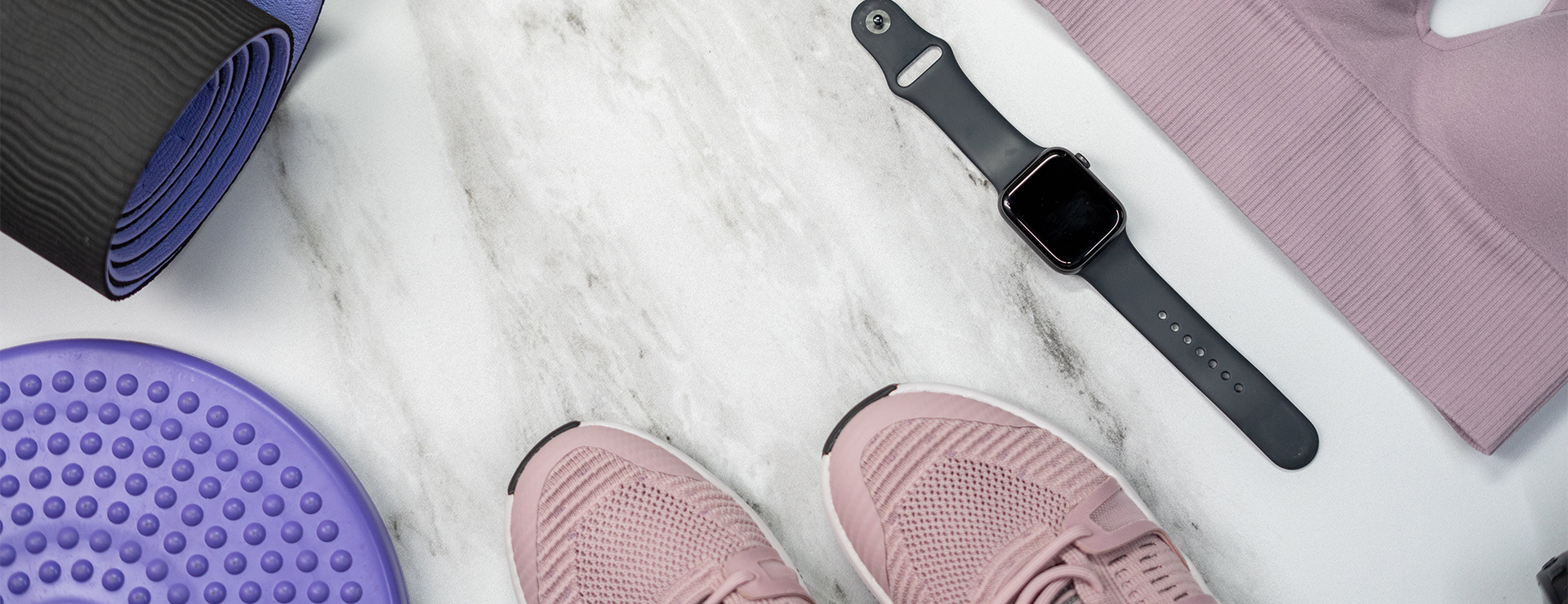
Our main product lines include yoga wear, swimwear, and various women’s skirts and pants. Because we focus on overstock goods, we are able to offer most of our items at prices ranging from $1 to $2 per piece—or even lower.


Moreover, our ability to offer consistent quality despite lower prices gives us a competitive edge. Even in a higher-tariff environment, we can continue to provide great value to our customers without compromising on the standard of our products.


While tariff increases may reshape parts of the global supply chain, we remain confident in our model. For buyers and retailers seeking reliable, cost-effective apparel solutions, we are a stable and strategic choice—even in times of uncertainty.

overstock china


How do you know which hiking boots are right for you?

Choosing the right hiking boots involves considering several factors to ensure a proper fit and functionality. Here are some steps to help you determine which hiking boots are right for you:


1. Determine Your Hiking Needs: Consider the type of hiking you'll be doing. Are you planning short day hikes, multi-day backpacking trips, or rugged mountain treks? Different types of hikes require different levels of support, stability, and durability. Knowing your hiking needs will guide you in selecting the appropriate boot type.


2. Fit and Comfort: Proper fit is crucial for hiking boots. Ensure that the boots provide enough space for your toes to wiggle without feeling cramped, and that they have secure heel and ankle support. Visit a specialty outdoor store and try on different boot models, preferably in the afternoon when your feet are likely to be slightly swollen. Take the time to walk around and test the boots for comfort, stability, and any potential pressure points.


3. Boot Height: Hiking boots are available in different heights, including low-cut, mid-cut, and high-cut options. Low-cut boots are lighter and more flexible, suitable for well-maintained trails and day hikes. Mid-cut boots offer more ankle support and are suitable for moderate terrain. High-cut boots provide the best ankle and foot support for challenging and rugged terrain. Choose a boot height that matches the level of ankle support you need based on your intended hiking activities.


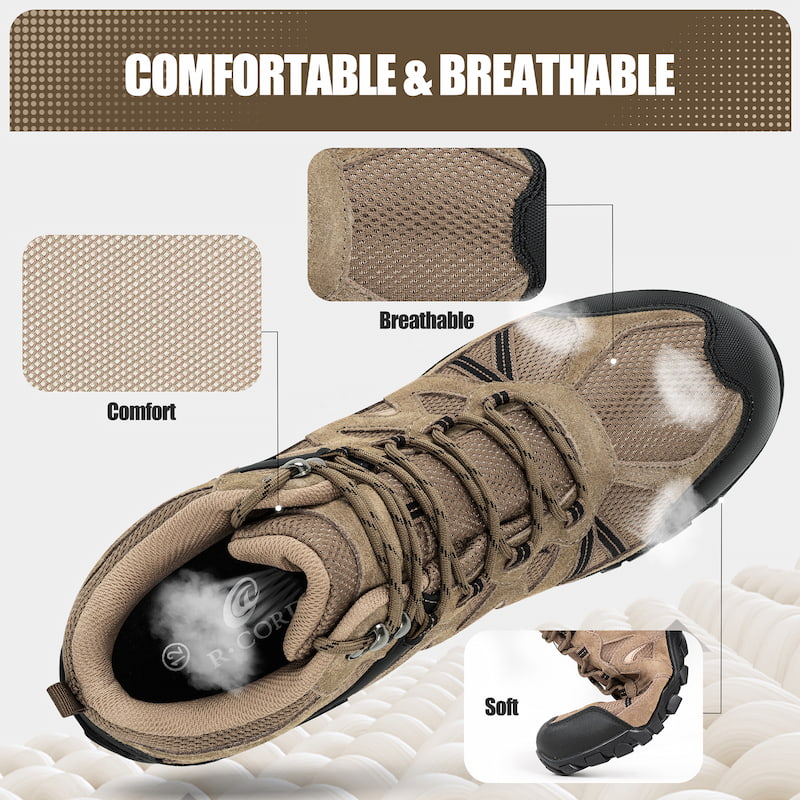
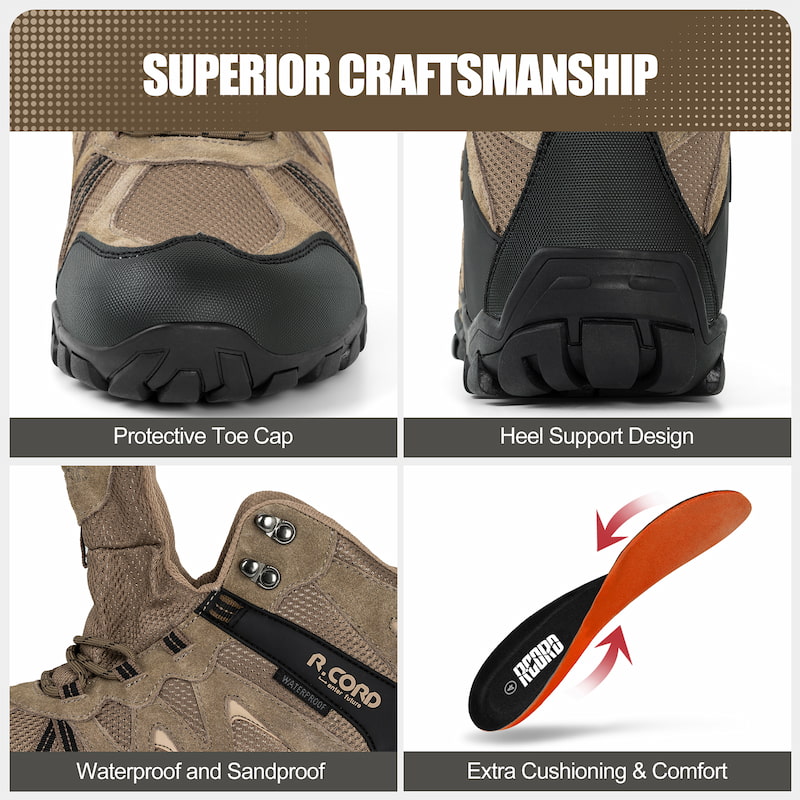
4. Consider the Terrain: Think about the type of terrain you'll encounter while hiking. If you expect to encounter rocky or uneven surfaces, a boot with a sturdy sole and good traction is important. If you plan to hike in wet or muddy areas, consider boots with waterproof or water-resistant features. Match the boot's features to the environmental conditions you are likely to face.


5. Weight and Durability: Consider the weight of the boots. Lightweight boots are generally more comfortable for shorter hikes, while heavier boots provide more durability and support for longer treks and backpacking trips. Strike a balance between weight, durability, and your personal comfort preferences.


6. Break-in Period: Keep in mind that hiking boots often require a break-in period to mold to your feet and become more comfortable. It's a good idea to give yourself enough time before your hiking trip to wear them on shorter walks or hikes to allow the boots to adjust to your feet.


7. Read Reviews and Seek Recommendations: Take the time to read customer reviews and seek recommendations from experienced hikers or outdoor enthusiasts. Their insights can provide valuable information about the performance, durability, and fit of different hiking boot models.


Remember, everyone's feet are unique, and what works for one person may not work for another. Ultimately, selecting the right hiking boots involves finding the right balance between comfort, functionality, and your specific hiking needs.